How to Choose the Right Mannequin for Ghost Mannequin Photography
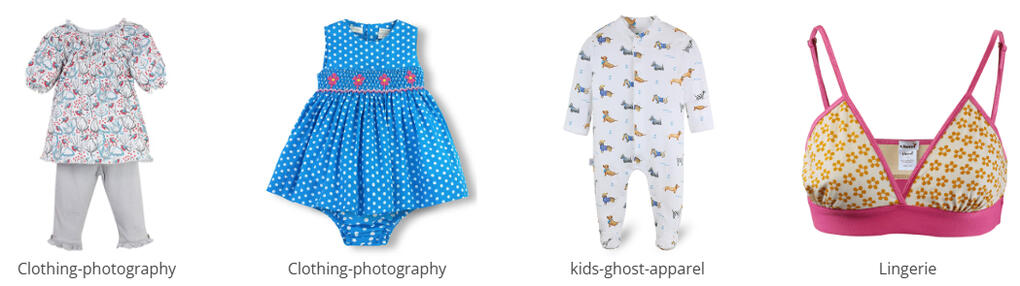
In the world of fashion and e-commerce, presentation is everything. High-quality product images can make or break a sale, and one of the most effective techniques for showcasing clothing is ghost mannequin product photography. This method creates a clean, professional look by making the mannequin "disappear," allowing customers to focus solely on the garment’s fit, design, and details. However, achieving this seamless effect starts with one crucial decision: choosing the right mannequin.Selecting the perfect mannequin for your ghost mannequin photography needs can seem overwhelming, given the variety of options available. But fear not—this guide will walk you through the key factors to consider, ensuring you make the best choice for your brand and products.1. Understand Your Product Line
The first step in choosing the right mannequin is understanding the types of clothing you’ll be photographing. Different garments require different mannequin styles to showcase their unique features effectively. For example:Full-Body Mannequins: Ideal for dresses, jumpsuits, and outfits where the overall silhouette is important.Torso Mannequins: Perfect for tops, blouses, and jackets, as they focus on the upper body.Adjustable Mannequins: Great for brands with a wide range of sizes, as they can be resized to fit different garments.If your product line includes a mix of clothing types, consider investing in multiple mannequins to ensure each piece is displayed in the best possible way.2. Prioritize Fit and Proportion
A mannequin that doesn’t fit your clothing properly can ruin the entire photoshoot. Ill-fitting garments on a mannequin can create wrinkles, gaps, or distortions, which are difficult to fix in post-production. To avoid this:Match the Mannequin to Your Size Range: If your brand caters to a specific size demographic, choose a mannequin that reflects those proportions.Consider Adjustable Features: Some mannequins come with adjustable shoulders, waists, and hips, allowing you to customize the fit for different garments.Test Before You Buy: If possible, test the mannequin with a few sample pieces to ensure it fits your clothing well.3. Focus on Material and Durability
Mannequins come in various materials, including fiberglass, plastic, and foam. Each material has its pros and cons:Fiberglass: Durable and long-lasting, but heavier and more expensive.Plastic: Lightweight and affordable, but may not be as durable.Foam: Soft and flexible, ideal for delicate fabrics, but less sturdy over time.Consider how often you’ll be using the mannequin and the types of fabrics you work with. For example, if you frequently photograph delicate fabrics like silk or lace, a foam mannequin might be the best choice to prevent damage.4. Opt for a Neutral Design
When it comes to ghost mannequin photography, simplicity is key. A mannequin with intricate details or bold colors can distract from the clothing and complicate the editing process. Look for mannequins with:Neutral Colors: White or beige mannequins are ideal, as they blend seamlessly with most backgrounds and lighting setups.Minimalistic Features: Avoid mannequins with overly defined facial features or body contours, as these can cast unwanted shadows.A neutral design ensures that the focus remains on the clothing, making it easier to achieve the "ghost" effect during editing.5. Consider Your Budget
Mannequins can range from affordable plastic models to high-end fiberglass designs. While it’s tempting to go for the cheapest option, remember that quality matters. A poorly made mannequin may not last long or provide the professional look your brand deserves. That said, you don’t have to break the bank—there are plenty of mid-range options that offer excellent quality without the premium price tag.If you’re just starting out or have a limited budget, consider renting mannequins or outsourcing to a professional ghost mannequin photography service. This can be a cost-effective way to achieve high-quality results without the upfront investment.6. Think About Versatility
If your brand offers a wide range of clothing styles, a versatile mannequin is a must. Look for features like:Detachable Limbs: Some mannequins have removable arms, making it easier to photograph sleeveless tops or jackets.Interchangeable Parts: Certain models allow you to swap out torsos or legs, giving you more flexibility for different types of clothing.Poseable Options: Adjustable mannequins can be positioned in various poses, adding dynamism to your product images.A versatile mannequin can save you time and money by reducing the need for multiple mannequins.7. Don’t Forget About Storage and Maintenance
Mannequins can take up a lot of space, so consider where you’ll store them when not in use. Foldable or collapsible mannequins are a great option for small studios or businesses with limited storage space. Additionally, think about maintenance—some materials are easier to clean and repair than others, which can extend the life of your mannequin.8. Test and Iterate
Finally, don’t be afraid to experiment. What works for one brand may not work for another, so it’s important to test different mannequins and see which one best suits your needs. Take sample photos, review the results, and make adjustments as needed. Over time, you’ll develop a keen eye for what works best for your products.Conclusion
Choosing the right mannequin for ghost mannequin photography is a critical step in creating stunning, professional product images that captivate your audience. By considering factors like product type, fit, material, design, and budget, you can find the perfect mannequin to showcase your clothing in the best possible light. And if you’re ever in doubt, remember that partnering with a professional ghost mannequin photography service can provide expert guidance and flawless results, allowing you to focus on growing your brand.With the right tools and techniques, you can elevate your product photography and stand out in the competitive world of e-commerce. Happy shooting!